Is Fluoride Safe?
When patients ask me is fluoride safe in dental treatments, I understand the concern. In recent years, fluoride has become a debated topic online, often surrounded by misinformation. As a dentist, my responsibility is to provide clear, scientific, and balanced information so patients can make informed decisions about their oral health.
Fluoride has been used in dentistry for decades to prevent cavities and strengthen enamel. However, questions often arise:
- What exactly is fluoride?
- How does it work?
- Can fluoride be harmful?
- Is it safe for children?
- Why do dentists recommend it?
At New York Dental Clinic in Dubai, we practice responsible dentistry. This means we evaluate each patient individually and recommend preventive treatments only when clinically indicated.
In this article, I will address the most common questions about fluoride and explain clearly whether fluoride is safe in dental treatments.
What is fluoride and how does it work in dental treatments?
To answer the question is fluoride safe in dental treatments, we must first understand what fluoride is and how it functions.
Fluoride is a naturally occurring mineral found in water, soil, and certain foods. In dentistry, it is used because of its ability to:
- Strengthen tooth enamel
- Promote remineralisation
- Reduce acid attacks from bacteria
- Prevent cavity formation
Every day, our teeth undergo a process called demineralisation due to acids produced by bacteria in dental plaque. Fluoride helps reverse this process by enhancing remineralisation, making enamel more resistant to future acid attacks.
In clinical settings, fluoride may be delivered through:
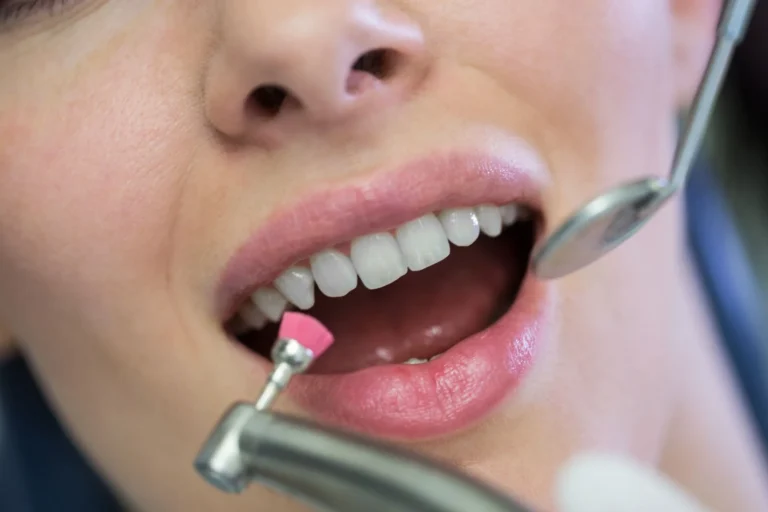
- Professional topical gels or varnishes
- Fluoridated toothpaste
- Fluoride mouth rinses
- Specific preventive treatments for high-risk patients
Fluoride works locally on the tooth surface. It does not need to enter the bloodstream to provide its protective effect.
Understanding its mechanism helps clarify why fluoride remains one of the most researched and effective preventive tools in modern dentistry.
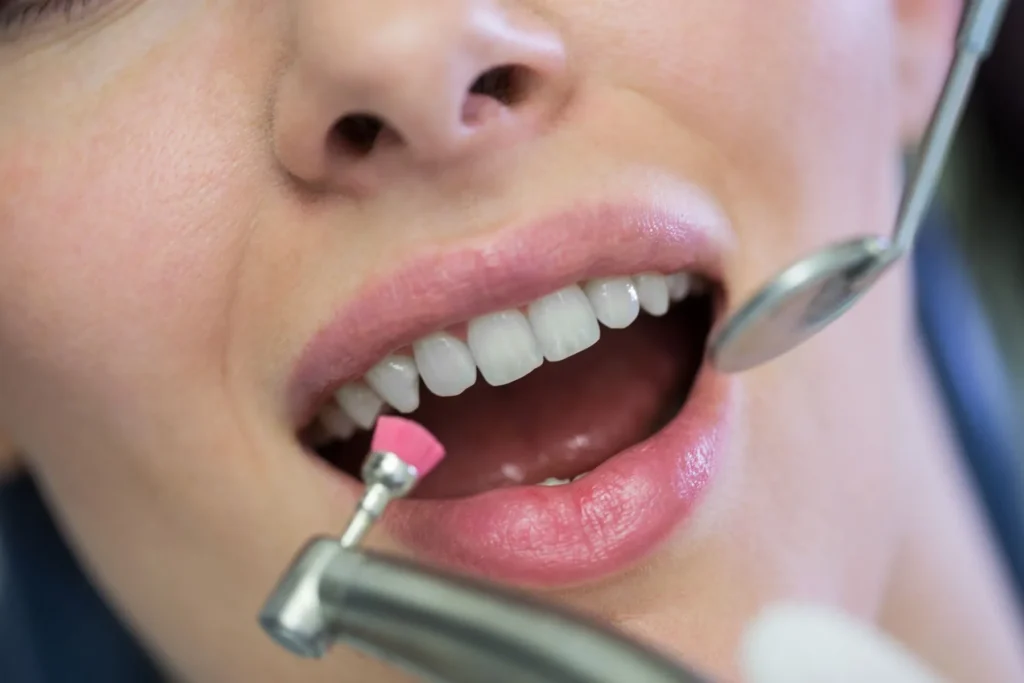
Why do dentists recommend fluoride treatments?
If patients are asking, is fluoride safe in dental treatments, it is often because they wonder whether fluoride is truly necessary.
Dentists recommend fluoride because it is clinically proven to reduce the incidence of cavities. Scientific research consistently demonstrates that appropriate fluoride exposure significantly lowers the risk of dental decay in both children and adults.
Fluoride treatments are especially recommended for:
- Children with developing teeth
- Patients with a history of frequent cavities
- Orthodontic patients wearing braces or aligners
- Individuals with dry mouth
- Patients with exposed root surfaces
In professional practice, fluoride is applied in controlled amounts. The goal is prevention, not overexposure.
At New York Dental Clinic, we assess each patient’s caries risk before recommending fluoride. Responsible dentistry means not applying treatments unnecessarily, but also not withholding proven preventive measures when they are indicated.
Fluoride is not a cosmetic trend. It is a preventive therapy backed by decades of clinical research.
Is fluoride safe in dental treatments for children?
Parents frequently ask me, is fluoride safe in dental treatments for their children. This is a valid and important concern.
When used appropriately and under professional supervision, fluoride is safe for children. In fact, it plays a crucial role in protecting developing teeth from early childhood cavities.
However, safety depends on:
- Proper dosage
- Age-appropriate toothpaste amounts
- Professional guidance
For example:
- Children under 3 years should use a smear of fluoride toothpaste.
- Children aged 3–6 should use a pea-sized amount.
Professional fluoride varnishes are applied in small, controlled quantities and are safe when administered by a dentist.
Excessive ingestion of fluoride over long periods can lead to dental fluorosis, a cosmetic condition that causes mild enamel discoloration. This is why parental supervision during brushing is important.
At New York Dental Clinic, we educate families carefully to ensure safe use. Fluoride safety is not about avoidance, but about correct and responsible use.
Can fluoride be harmful if used incorrectly?
To answer honestly whether fluoride is safe in dental treatments, we must acknowledge that any substance can be harmful if misused.
Excessive fluoride exposure may lead to:
- Dental fluorosis (mild enamel changes)
- Gastrointestinal discomfort if large amounts are swallowed
- Very rare systemic issues in extreme overexposure scenarios
However, such outcomes typically result from chronic misuse or ingestion far beyond recommended levels.
Professional fluoride applications in dental clinics use:
- Controlled dosages
- Regulated formulations
- Safe application techniques
It is important to avoid:
- Swallowing toothpaste
- Using adult-strength products for small children
- Attempting DIY high-concentration fluoride applications
At New York Dental Clinic, fluoride use is always based on scientific guidelines. Safety is ensured through careful evaluation and precise administration.
Understanding the difference between appropriate use and overexposure is key to addressing concerns about fluoride safety.
Why is fluoride sometimes controversial?
The question is fluoride safe in dental treatments often arises because fluoride is surrounded by online controversy.
Some concerns originate from:
- Misinformation on social media
- Confusion between topical and systemic fluoride
- Misinterpretation of scientific studies
- General skepticism about chemical substances
It is important to distinguish between:
- Controlled, clinical fluoride use
- Excessive environmental exposure
Most reputable dental and medical organisations worldwide recognise fluoride as safe and effective when used correctly.
In dentistry, fluoride works primarily at the tooth surface. Professional applications are topical and localised, not systemic treatments.
At New York Dental Clinic, we encourage open conversations. Patients are welcome to discuss their concerns, and we provide evidence-based explanations to support informed decisions.
Responsible dentistry means transparency, not dismissal of patient questions.
How does fluoride compare to other cavity prevention methods?
Patients sometimes ask whether fluoride is the only preventive solution.
Fluoride is one part of a comprehensive prevention strategy that includes:
- Proper brushing technique
- Daily flossing
- Professional hygiene sessions
- Dietary control
- Regular dental check-ups
Fluoride enhances enamel resistance but does not replace mechanical plaque removal.
For example:
- If plaque remains on teeth, bacteria will continue producing acids.
- If sugary snacks are frequent, decay risk increases regardless of fluoride exposure.
At New York Dental Clinic, we integrate fluoride into a broader preventive protocol. We also use advanced diagnostic tools to identify early enamel demineralisation.
Fluoride is a supportive element, not a standalone solution.
Understanding its role within preventive dentistry helps answer the broader question: is fluoride safe in dental treatments? Yes — when it is part of a balanced and professional care plan.
Can adults benefit from fluoride treatments?
Fluoride is not only for children. Adults can also benefit significantly from fluoride applications.
In adults, fluoride is especially useful for:
- Root surface protection
- Recurrent decay around fillings or crowns
- Patients with reduced saliva flow
- Individuals undergoing orthodontic treatment
- Patients with high sugar consumption
As we age, gums may recede, exposing root surfaces that are more vulnerable to decay. Fluoride strengthens these areas and reduces sensitivity.
Professional fluoride treatments are quick, non-invasive, and painless.
At New York Dental Clinic in Dubai, we tailor fluoride recommendations based on individual risk factors. Some adults may require periodic applications, while others may not need them at all.
Fluoride safety depends on personalised assessment. When used appropriately, it is both safe and beneficial for adult patients.
Conclusion: Is fluoride safe in dental treatments?
So, is fluoride safe in dental treatments?
The answer is yes — when used correctly, in appropriate doses, and under professional supervision.
Fluoride remains one of the most extensively studied and scientifically supported preventive tools in dentistry. It strengthens enamel, reduces cavity risk, and protects both children and adults when integrated into a comprehensive oral health plan.
Concerns usually arise from misunderstanding dosage, misuse, or misinformation. Responsible dental care focuses on:
- Individual assessment
- Controlled application
- Clear patient education
At New York Dental Clinic in Dubai, we believe in ethical, responsible dentistry guided by competence and experience.
If you have questions about fluoride or preventive treatments, contact our team to schedule a professional consultation. We will evaluate your oral health and provide personalised recommendations to help you maintain a strong, healthy smile with confidence.
📞 +971 43447041
📲 +971 585909496
✉️ info@nydcdubai.com
📍 Villa 329, Beach Road, Jumeira 2, Dubai, UAE