How Often Should You Have a Dental Check-Up?
One of the most common questions I hear in daily practice is: how often should you have a dental check-up? Many patients assume that visiting the dentist is only necessary when pain appears. In reality, preventive care is the foundation of long-term oral health.
At New York Dental Clinic in Dubai, we practice responsible dentistry. This means focusing on prevention, early diagnosis, and personalised follow-up schedules tailored to each patient’s needs.
In this article, I will explain:
- Why regular dental check-ups are essential
- How often adults should be seen
- How often children require monitoring
- What happens during a check-up
- Whether six months is always the right interval
- How risk factors influence recall frequency
Understanding how often should you have a dental check-up can help you protect not only your smile, but your overall health.
Why are regular dental check-ups so important?
To properly answer how often should you have a dental check-up, we must first understand why these appointments matter.
Dental problems often develop silently. Cavities, gum disease, and bite issues may progress without noticeable symptoms until they become more complex.
Regular check-ups allow us to:
- Detect cavities at an early stage
- Identify gum inflammation before it progresses
- Monitor existing restorations
- Evaluate bite alignment
- Screen for oral lesions
Prevention is always simpler and more conservative than treating advanced disease.
For example, a small enamel demineralisation can be managed non-invasively. If ignored, it may evolve into a deep cavity requiring restorative treatment.
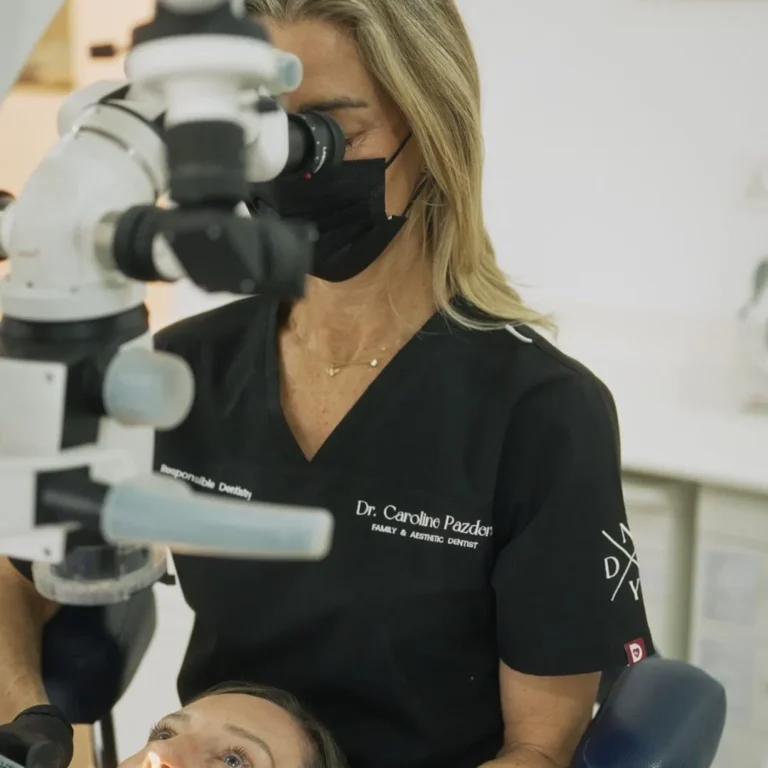
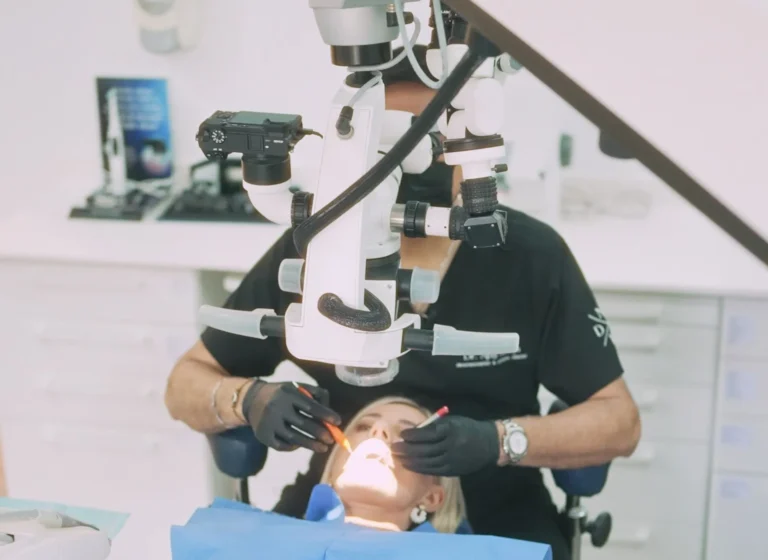
At New York Dental Clinic, we use digital radiology, intraoral cameras, and magnification tools to ensure precise diagnosis.
Waiting for pain is never advisable. Pain often indicates that a problem has already progressed significantly.
Regular monitoring is the key to maintaining stability and avoiding complex interventions.

How often should you have a dental check-up as an adult?
When patients ask me how often should you have a dental check-up as an adult, the traditional answer is every six months. However, this interval is not universal.
For many adults with good oral hygiene and low risk of decay, a check-up every six months is appropriate.
However, some individuals may require more frequent visits, including:
- Patients with a history of cavities
- Individuals with gum disease
- Smokers
- Patients with diabetes
- Those wearing orthodontic appliances
- Individuals with extensive restorations
In higher-risk cases, we may recommend visits every three to four months.
At New York Dental Clinic in Dubai, we personalise recall schedules based on:
- Clinical findings
- Risk assessment
- Lifestyle habits
- Systemic health conditions
The six-month rule is a guideline, not a fixed law. Dentistry today is individualised.
Understanding how often should you have a dental check-up means recognising that frequency depends on your unique oral health profile.
How often should children have a dental check-up?
Parents frequently ask: how often should you have a dental check-up if the patient is a child?
Children require careful monitoring because:
- Their teeth are developing
- Enamel is more susceptible to decay
- Oral hygiene habits are still forming
- Growth and jaw development must be observed
In most cases, children benefit from check-ups every six months. However, some may need more frequent evaluations if they have:
- High cavity risk
- Orthodontic concerns
- Poor brushing habits
- Early enamel defects
Early visits allow us to:
- Apply preventive fluoride treatments when indicated
- Monitor eruption patterns
- Detect bite issues early
- Educate both child and parent
At New York Dental Clinic, family dentistry focuses on prevention and education. Establishing a positive relationship with dental care at a young age reduces anxiety and promotes lifelong oral health.
Understanding how often should you have a dental check-up in childhood sets the foundation for healthy adult smiles.
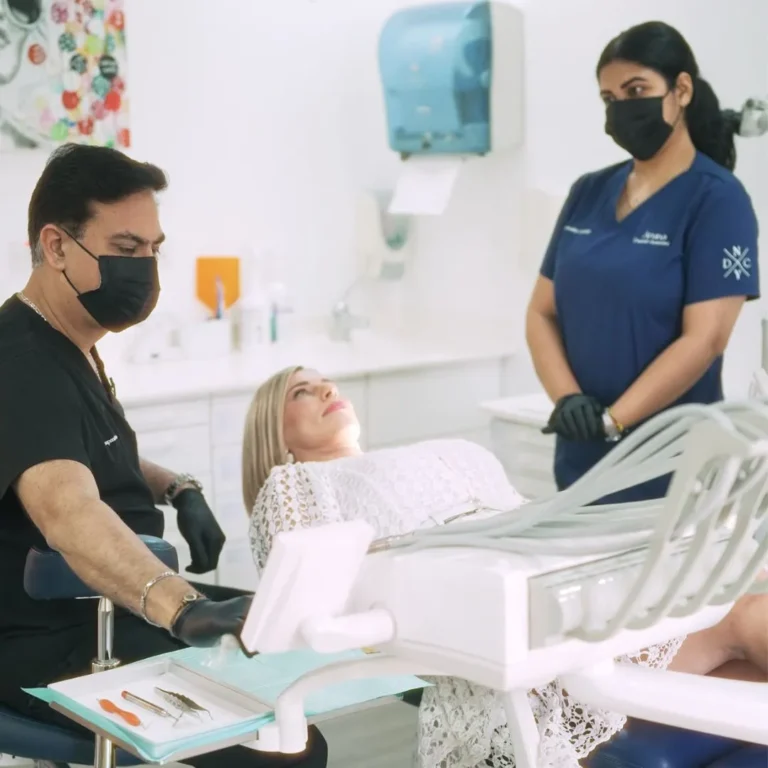
What happens during a dental check-up?
To understand how often should you have a dental check-up, it is helpful to know what occurs during the appointment.
A comprehensive check-up includes:
- Review of medical history
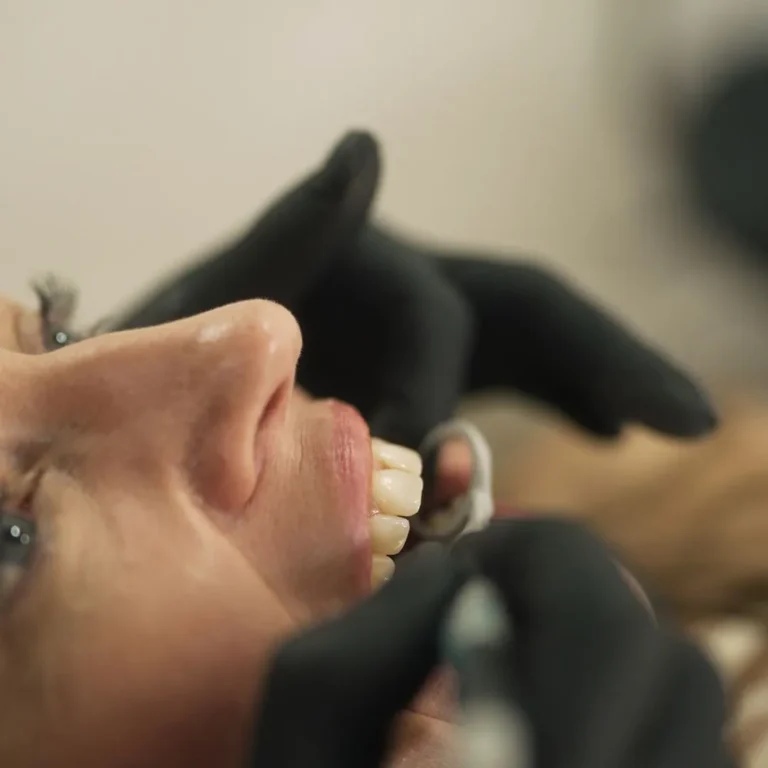
- Examination of teeth and gums
- Assessment of bite and jaw function
- Evaluation of restorations
- Screening for oral lesions
- Radiographs if clinically necessary
At New York Dental Clinic, we may use:
- Digital radiology
- Intraoral scanners
- Intraoral cameras
- Magnification systems
The goal is early detection.
We also evaluate risk factors such as:
- Plaque accumulation
- Gum bleeding
- Signs of teeth grinding
- Diet habits
A dental check-up is not only about identifying cavities. It is a full oral health evaluation.
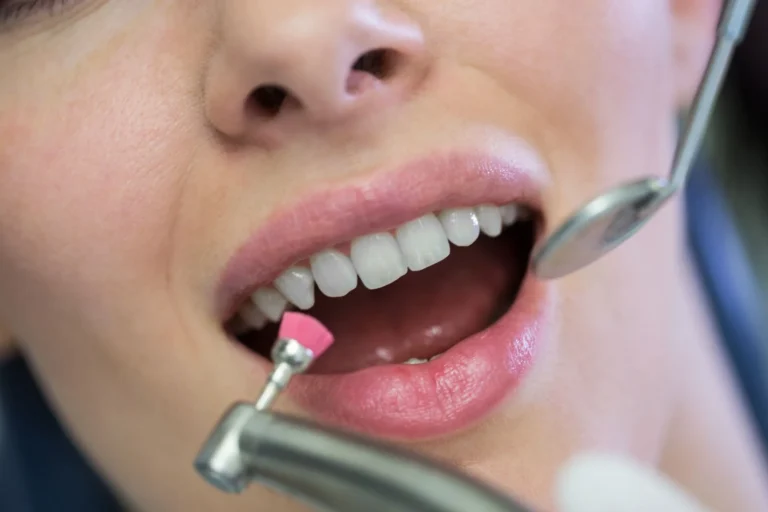
Professional hygiene sessions are often scheduled alongside check-ups to remove plaque and tartar that cannot be eliminated with brushing alone.
Understanding the value of these assessments helps clarify how often should you have a dental check-up.
Can you wait longer than six months between visits?
Some patients wonder whether they can extend the interval between appointments.
When discussing how often should you have a dental check-up, it is important to recognise that delaying visits carries risks.
Even if you:
- Brush regularly
- Floss daily
- Have no visible pain
Problems may still develop silently.
For example:
- Gum disease can progress without discomfort
- Early cavities may not cause sensitivity
- Small fractures may go unnoticed
Extending recall intervals without professional evaluation may allow minor issues to become complex.
However, in carefully selected low-risk patients, a dentist may determine that slightly longer intervals are acceptable.
This decision must always be based on professional assessment, not personal assumption.
Skipping check-ups entirely or visiting only when discomfort appears is not responsible oral care.
Preventive visits are far more conservative than emergency treatments.
Why does personal risk influence check-up frequency?
When patients ask how often should you have a dental check-up, I explain that dentistry is no longer one-size-fits-all.
Risk-based dentistry considers:
- Previous history of decay
- Gum health status
- Saliva quality
- Medical conditions
- Smoking habits
- Dietary patterns
For example:
- A patient with excellent hygiene and no restorations may remain stable with routine six-month visits.
- A patient with recurrent cavities may need more frequent monitoring.
- Orthodontic patients often require shorter intervals.
At New York Dental Clinic, we create personalised follow-up schedules based on these variables.
The goal is stability.
Too frequent visits may be unnecessary for some, while too infrequent visits may compromise others.
Understanding how often should you have a dental check-up means recognising that your personal risk determines the appropriate interval.
How do dental check-ups protect overall health?
Oral health is closely connected to systemic health.
When asking how often should you have a dental check-up, it is important to consider broader health implications.
Gum disease has been associated with:
- Cardiovascular conditions
- Diabetes complications
- Inflammatory disorders
Regular dental monitoring helps detect:
- Chronic inflammation
- Infections
- Oral signs of systemic diseases
Additionally, dentists may identify:
- Early oral cancer lesions
- Bite dysfunctions affecting posture
- Bruxism linked to stress
Preventive dentistry contributes to overall well-being.
At New York Dental Clinic in Dubai, our multidisciplinary approach ensures that oral health is evaluated within the context of general health.
Dental check-ups are not isolated events. They are part of comprehensive healthcare.
Conclusion: How often should you have a dental check-up?
So, how often should you have a dental check-up?
For most patients, every six months is an appropriate guideline. However, the ideal frequency depends on individual risk factors, oral hygiene habits, and medical history.
Regular check-ups allow early diagnosis, conservative treatment, and long-term stability. Waiting for symptoms is never advisable, as many dental conditions progress silently.
At New York Dental Clinic in Dubai, we practice responsible dentistry guided by competence, experience, and a multidisciplinary approach. Each patient receives a personalised recall schedule designed to protect their smile and overall health.
If you are unsure how often should you have a dental check-up, contact our team to schedule a professional evaluation. We will assess your oral health and recommend the most appropriate follow-up plan for your individual needs.
📞 +971 43447041
📲 +971 585909496
✉️ info@nydcdubai.com
📍 Villa 329, Beach Road, Jumeira 2, Dubai, UAE