A cavity between teeth (also called an interproximal cavity) is one of the most insidious forms of tooth decay because it develops in areas that are difficult to clean and even harder to detect. At New York Dental Clinic in Dubai, dentists emphasize that these types of cavities can progress silently, often without visible signs, until they reach deeper layers of the tooth. Understanding the causes, complications, and prevention strategies is essential for protecting both your teeth and overall oral health.
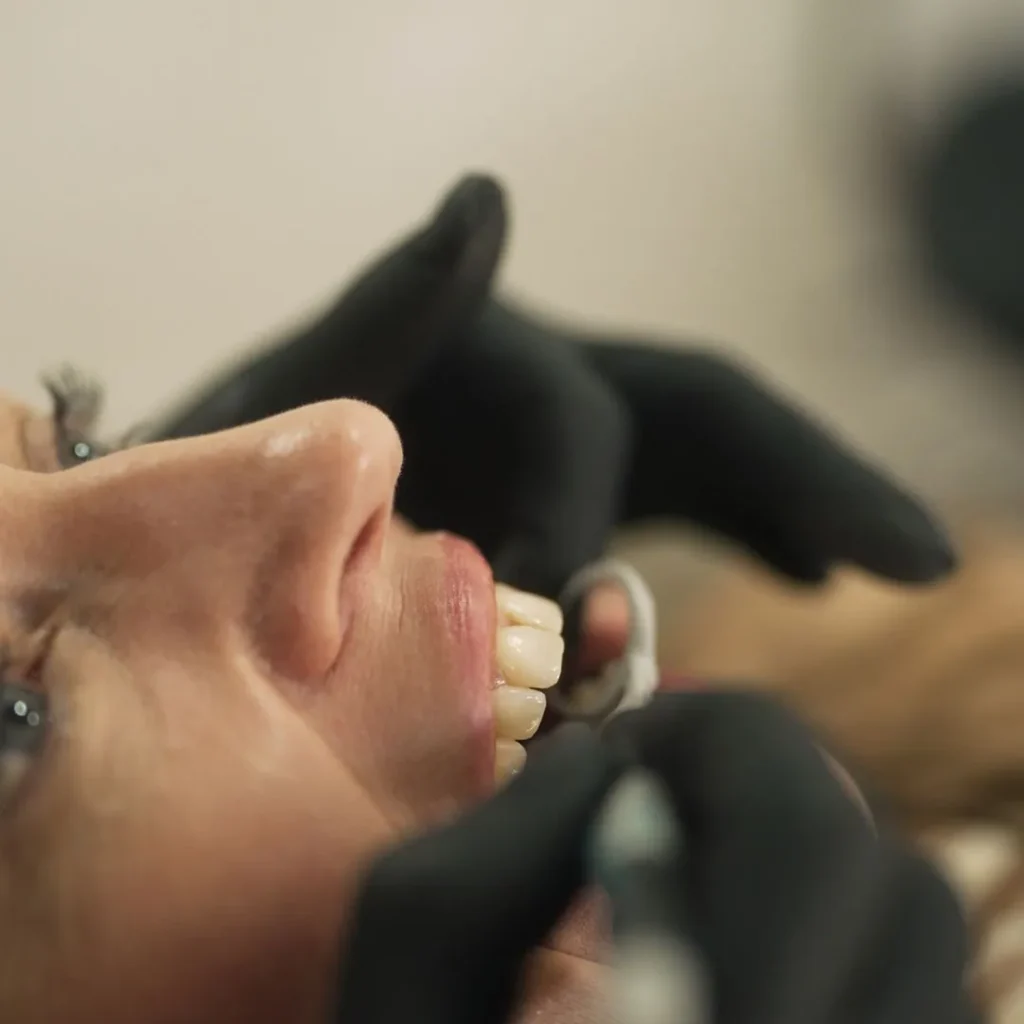
What Is a Cavity Between Teeth?
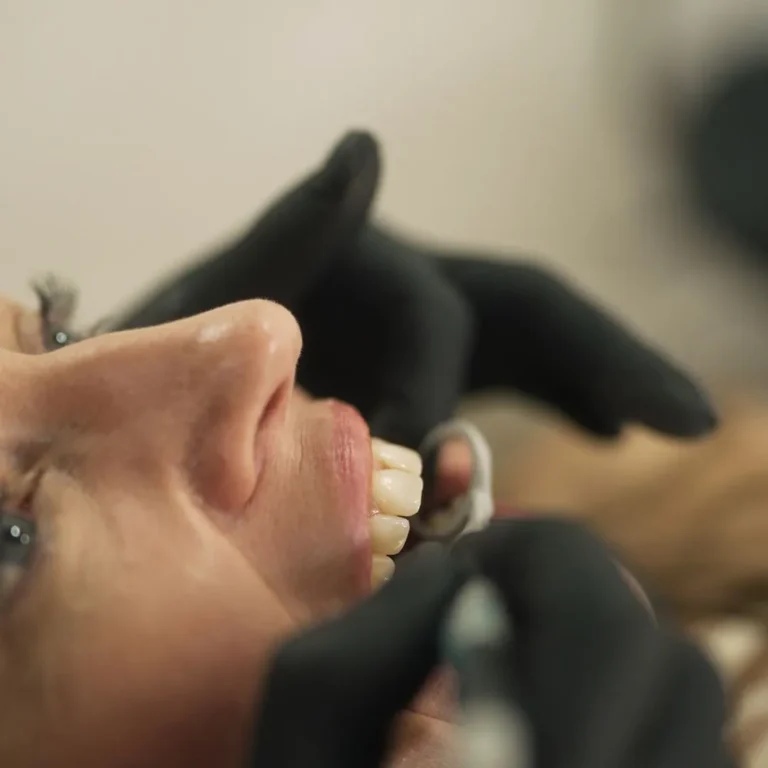
A cavity between teeth forms when bacteria accumulate in the tight spaces between two adjacent teeth. These areas are often missed during brushing, allowing plaque to build up and turn into acid-producing colonies that erode the enamel.
Since these cavities develop out of sight, they are usually discovered during dental X-rays or routine examinations at New York Dental Clinic. Without professional monitoring, decay can extend quickly toward the dentin and pulp, causing pain and requiring more invasive treatments such as fillings or root canal therapy.
Interproximal decay is especially common in adults and teenagers with crowded teeth, orthodontic appliances, or poor flossing habits.
Why Are Cavities Between Teeth So Dangerous?
Unlike surface cavities, which can often be spotted early, cavities between teeth tend to go unnoticed until the damage is significant. Because they form in tight, hidden spaces, symptoms such as sensitivity or pain appear only once the decay has spread deeper.
The main risks include:
- Rapid progression: the cavity can reach the nerve in a short time.
- Hidden location: early detection is difficult without X-rays.
- Spread to neighboring teeth: bacteria can easily move from one tooth to another.
- Weakened structure: teeth affected on both sides are more prone to fractures.
Dentists at New York Dental Clinic stress that the earlier the problem is identified, the simpler and less invasive the treatment will be.
How Does a Cavity Between Teeth Develop?
The process begins with bacterial plaque, a sticky film that naturally forms on teeth after eating or drinking. When not properly removed through brushing and flossing, this plaque converts sugars into acids that dissolve the tooth enamel.
Once enamel breaks down, the decay spreads into the dentin the softer layer beneath accelerating its progression. Over time, bacteria can reach the pulp, causing infection, inflammation, and intense pain.
At New York Dental Clinic, digital X-rays and intraoral scanners are used to identify even the smallest lesions early, preventing serious complications.
What Are the Symptoms of a Cavity Between Teeth?
While early interproximal cavities are often asymptomatic, certain signs should raise concern:
- Sudden sensitivity to hot, cold, or sweet foods
- Pain when chewing or pressure on a specific area
- Dark shadows or lines visible on the sides of teeth
- Persistent bad breath due to bacterial accumulation
- Food particles constantly getting trapped between teeth
If one or more of these symptoms appear, it is important to schedule a dental examination at New York Dental Clinicas soon as possible.
What Complications Can Occur If Left Untreated?
Leaving a cavity between teeth untreated can lead to severe consequences that go far beyond discomfort:
- Pulpitis and infection: bacteria reach the inner nerve, causing inflammation and pain.
- Abscess formation: pus accumulates at the root tip, requiring root canal therapy or even extraction.
- Spread to neighboring teeth: the cavity can extend to the adjacent tooth through direct contact.
- Bone loss and gum disease: chronic infection may affect supporting bone and soft tissue.
- Systemic impact: in severe cases, oral bacteria can enter the bloodstream and affect overall health.
Professionals at New York Dental Clinic often see cases where what began as a small, silent cavity eventually required complex restorative treatment. Early intervention is therefore essential.
How Is a Cavity Between Teeth Treated?
Treatment depends on the stage of decay.
- Early stages: the dentist removes the decayed tissue and fills the cavity with composite resin that restores function and aesthetics.
- Intermediate stages: when decay extends beneath the contact point, a more extensive restoration or inlay may be required.
- Advanced stages: if the pulp is infected, root canal treatment followed by a crown may be necessary.
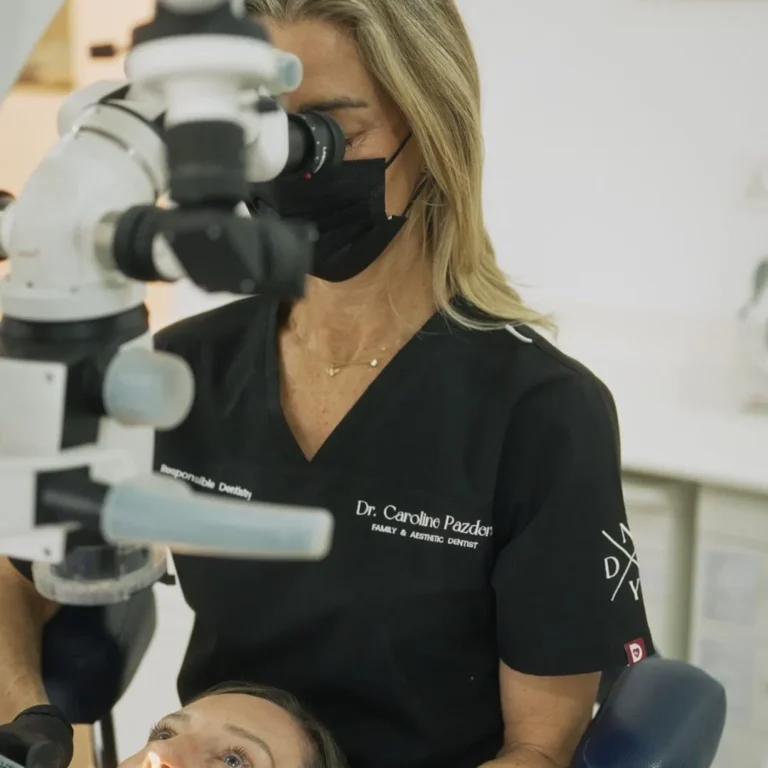
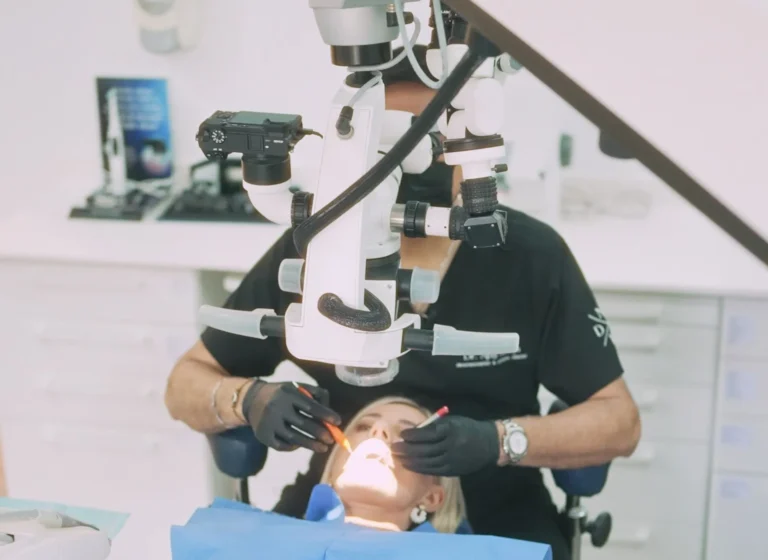
At New York Dental Clinic, modern diagnostic tools such as digital radiography and magnification systems allow precise, minimally invasive treatment that preserves as much natural structure as possible.
How to Prevent Cavities Between Teeth
Prevention remains the most effective defense against interproximal decay. Dentists recommend:
- Brushing teeth twice daily with fluoride toothpaste
- Flossing or using interdental brushes every evening
- Reducing frequent sugar intake
- Scheduling professional cleanings twice a year
- Having periodic dental X-rays to detect early-stage lesions
Fluoride strengthens enamel, while regular cleanings at New York Dental Clinic remove plaque and tartar in areas impossible to reach at home. Education is also part of prevention: patients are taught the correct flossing technique to protect these vulnerable zones.
Why Professional Check-Ups Are Essential
Even with meticulous home care, not all plaque can be removed manually. That’s why routine dental check-ups are crucial to detect hidden decay before symptoms appear.
At New York Dental Clinic, comprehensive examinations include visual inspection, X-rays, and digital scanning. This approach allows the team to identify weak points, restore them in time, and advise personalized preventive strategies.
Professional monitoring ensures that small issues never turn into major complications maintaining the health, beauty, and longevity of every smile.
Conclusion: Managing and Preventing a Cavity Between Teeth
A cavity between teeth may seem minor, but it poses greater risks than most patients realize. Because it develops silently and spreads quickly, professional diagnosis and early treatment are key to avoiding pain, infection, and tooth loss. At New York Dental Clinic, prevention and precision guide every aspect of care. Through advanced diagnostic technology, patient education, and minimally invasive techniques, the clinic helps patients preserve their natural teeth and prevent interproximal decay before it becomes a threat. Healthy habits, regular check-ups, and timely intervention remain the most effective ways to protect your smile one space between teeth at a time.
📞 +971 43447041
📲 +971 585909496
✉️ info@nydcdubai.com
📍 Villa 329, Beach Road, Jumeira 2, Dubai, UAE