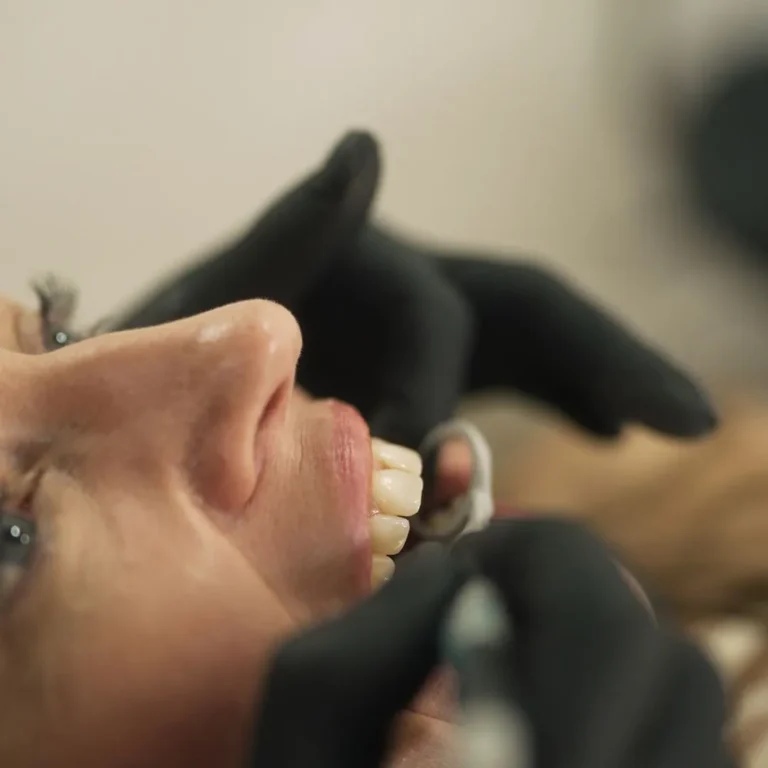
What to do if a dental implant is loose is a question no one wants to ask, yet early, informed action makes a decisive difference. At New York Dental Clinic in Dubai, the team approaches implant mobility with a clear protocol: identify whether the looseness is mechanical (crown or screw) or biological (the fixture itself), stabilize what can be stabilized, and protect long-term health with evidence-based care. This guide explains how to recognize the problem, what to avoid, and which treatments a dentist may recommend to preserve your smile.
What does “loose” actually mean?
Not all looseness is the same. Three scenarios are common:
- Loose crown only: the porcelain/zirconia crown rotates or rocks, but the gum is comfortable and there’s no deep pain. Often a cement failure or abutment screw issue.
- Loose abutment screw: a tiny screw connecting crown/abutment to the implant has loosened; you may hear a click on chewing or feel slight movement.
- Loose implant fixture: the titanium post in the bone moves. This is a biologic failure (loss of osseointegration) and requires urgent professional attention.
A dentist can differentiate these with clinical testing and X-rays. Self-diagnosis is unreliable; the safest step is a prompt examination.
What should you do immediately?
- Stop chewing on that side and switch to a soft diet to reduce micromovements.
- Keep the area meticulously clean with a soft brush and, if advised by your dentist, floss or interdental brushes around the crown margins (never force them if the crown is unstable).
- Call your dentist promptly and request a priority visit—mobility rarely improves on its own.
- If the crown detaches, store it clean and dry in a small container and bring it to the appointment.
Avoid DIY fixes such as glue, home tools, or internet “tightening” tricks. These can trap bacteria, damage components, and complicate definitive care.
Why can an implant feel loose?
Causes fall into two groups:
Mechanical causes
- Abutment screw loosening from heavy bite forces or bruxism
- Crown cement washout or worn components
- Malocclusion (high spots) concentrating forces on one implant
- Wear of inserts in overdentures
Biological causes
- Early failure: inadequate osseointegration within the first 3–4 months
- Peri-implantitis: bacterial inflammation causing bone loss around a once-stable implant
- Poor plaque control, smoking, or uncontrolled diabetes increasing inflammatory risk
Understanding which is present guides treatment—tightening a screw is very different from treating peri-implantitis.
How will the dentist assess the problem?
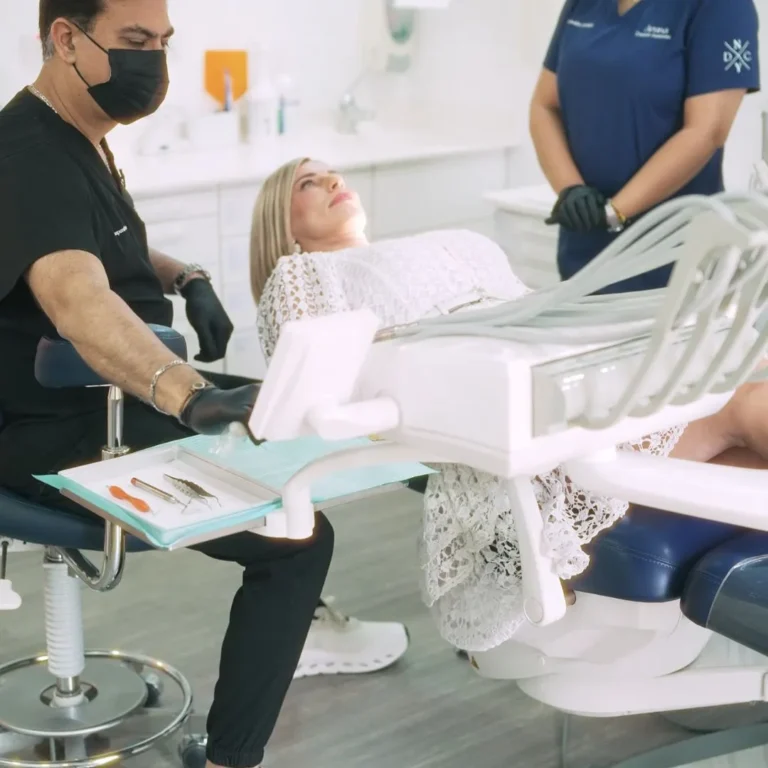
At New York Dental Clinic, assessment is systematic:
- History and symptoms: timing (early vs late), pain, taste changes, swelling, or bleeding.
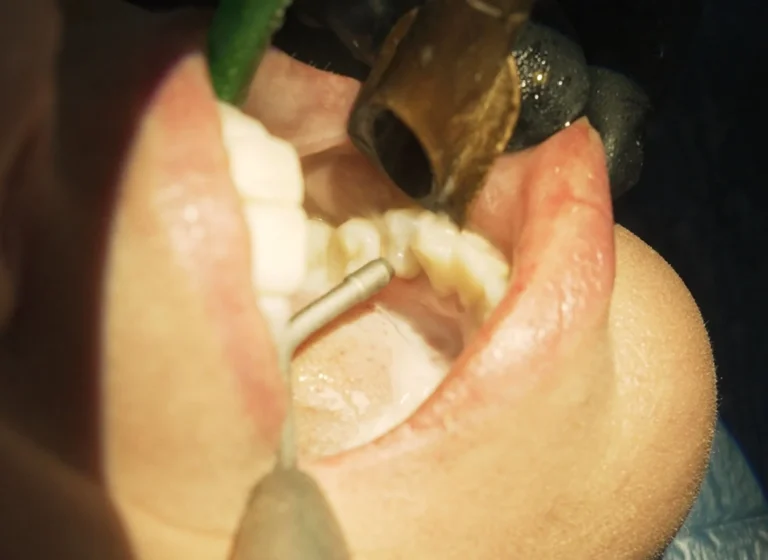
- Clinical tests: gentle mobility testing of the crown vs the fixture; checking bite contacts; probing to evaluate gum health.
- Imaging: periapical X-ray to assess bone levels and component fit; 3D imaging (when indicated) to map bone loss or fractures.
- Component inspection: confirming torque on the abutment screw, integrity of the abutment, and crown fit.
This stepwise approach pinpoints whether the issue is mechanical, biological, or mixed.
What treatments are available if the crown or screw is loose?
When the implant itself is stable and bone levels are healthy:
- Retorque the abutment screw to manufacturer-specified values, often with an anti-rotation protocol (torque, settle, re-torque).
- Replace a worn or damaged screw/abutment and verify internal connections.
- Re-cement or remake the crown if retention is inadequate or margins are suboptimal.
- Adjust the bite (occlusion): redistribute forces, particularly in bruxers or patients with parafunctions.
- Provide a night guard when tooth grinding is suspected to prevent recurrence.
These solutions typically restore stability quickly and comfortably.
What if the implant fixture itself is moving?
Mobility of the fixture indicates loss of osseointegration. Management depends on severity:
- Early mobility (healing phase): the implant is usually removed to prevent further bone damage. After controlled healing (and, if needed, minor bone augmentation), a new implant can be planned with improved conditions.
- Late mobility (after loading): often linked to peri-implantitis or overloading. If bone loss is moderate and the fixture is still not fully mobile, dentists may attempt non-surgical decontamination (mechanical debridement, air-polishing powders, antiseptics) or surgical therapy (access surgery, decontamination of the implant surface, and, where indicated, regenerative procedures).
- Frank mobility: if the fixture clearly moves, removal is typically required. The site can be grafted to rebuild bone for future rehabilitation.
Antibiotics, if used, are adjunctive and never a standalone solution; mechanical decontamination and force control are central to success.
Can a loose implant be saved?
Mechanical looseness (screw/crown) is often fully resolvable.
Biologic looseness has a guarded prognosis: if the implant moves relative to bone, long-term stability is unlikely without removal. In borderline cases (no true mobility but radiographic bone loss), targeted peri-implant therapy may stabilize the situation. Your dentist will outline realistic outcomes and a maintenance plan to protect the site.
What are the risks of delaying treatment?
- Progressive bone loss around the implant
- Soft-tissue inflammation with bleeding and suppuration
- Component fracture (screw breakage) making retrieval harder
- Spread of infection to adjacent structures
- More complex, costly rehabilitation later on (larger grafts, staged approaches)
Prompt care minimizes these risks and frequently simplifies treatment.
What should you avoid doing at home?
- Do not attempt to tighten anything yourself.
- Do not use household glues or cements.
- Avoid chewing hard foods on the affected side.
- Do not stop cleaning the area—plaque control matters—but be gentle and follow professional guidance.
Temporary comfort measures (soft diet, careful brushing, lukewarm saline rinses if advised) are supportive only; they do not resolve the underlying cause.
How do dentists prevent implant mobility from recurring?
Prevention is a partnership between patient and clinician:
- Meticulous hygiene: tailored instruction for brushing and interdental cleaning around implants.
- Scheduled maintenance: professional cleanings and periodic X-rays to monitor bone levels.
- Bite checks: verifying occlusal balance after any new crown or orthodontic change.
- Night guard for bruxism or heavy functional loads.
- Lifestyle factors: smoking cessation, medical condition control (e.g., diabetes), and balanced diet to support tissue health.
Small adjustments made early often prevent large problems later.
What about full-arch implants (e.g., “All-on-4”)?
With full-arch bridges, perceived “looseness” may involve prosthetic screws or the framework, not the fixtures. Dentists will:
- Check and retorque prosthetic screws
- Replace worn components
- Evaluate fit of the framework and occlusion
- Treat any peri-implant inflammation tooth-by-tooth (implant-by-implant)
Never ignore a clicking sound or rocking sensation—mechanical issues can cascade if untreated.
When should you call the dentist urgently?
Seek prompt care if you notice any of the following:
- Visible movement or a rotating crown
- Pain on biting, swelling, or discharge from the gums
- A sudden change in your bite or chewing comfort
- A detached crown or abutment screw felt on the tongue
- Persistent bad taste or halitosis from the implant area
Early intervention protects bone, shortens treatment, and improves outcomes.
Conclusion: what to do if a dental implant is loose
Understanding what to do if a dental implant is loose starts with one rule: do not try to fix it yourself. Distinguishing a loose crown or screw from a loose fixture requires professional diagnostics and targeted treatment. At New York Dental Clinic, care focuses on precise problem-solving—stabilizing components when possible, treating inflammation thoroughly, and building a maintenance plan that protects long-term oral health. With timely attention and disciplined follow-up, most implant complications can be resolved effectively and comfortably.
📞 +971 43447041
📲 +971 585909496
✉️ info@nydcdubai.com
📍 Villa 329, Beach Road, Jumeira 2, Dubai, UAE