How to Get Rid of Plaque Safely and Effectively: The Dentist’s Guide
Plaque is one of the most common—and underestimated—threats to your oral health. This sticky, colorless film forms on your teeth every day, often without you even noticing. And if not removed regularly, it can lead to cavities, gum disease, and even tooth loss. That’s why knowing how to get rid of plaque the right way is one of the most valuable habits you can build for lifelong oral wellness.
Many people look for quick fixes or home remedies, but in reality, only consistent hygiene and professional care can truly manage plaque long term. At New York Dental Clinic, we help patients understand the science behind plaque, how to control it daily, and how to prevent it from hardening into tartar—something you can’t reverse at home.
In this guide, you’ll discover:
- What plaque really is and why it forms
- The difference between plaque and tartar
- Proven techniques to remove plaque at home
- The role of professional hygiene in long-term prevention
- Lifestyle changes that reduce plaque buildup naturally
Let’s explore how to get rid of plaque—responsibly, effectively, and with the guidance of trusted dental professionals.
What Is Plaque and Why Does It Form?
Plaque is not just something that appears on your teeth—it’s a living, active biofilm made up of bacteria, food particles, and saliva. It begins forming within hours after eating, and if not removed consistently, it can cause long-term damage to your teeth, gums, and even the underlying bone.
Understanding what plaque is and how it develops is the first step in learning how to get rid of plaque effectively and prevent its return.
🦠 What Exactly Is Plaque?
Plaque is a soft, sticky film that forms continuously on the surfaces of your teeth. It’s composed of:
- Bacteria: primarily streptococcus mutans and lactobacilli, which thrive on sugars and carbohydrates.
- Saliva: which interacts with food and bacteria to form a matrix on the tooth surface.
- Food debris: especially starchy or sugary substances that feed the bacteria.
When bacteria digest the sugars in your mouth, they produce acids that attack the enamel, leading to tooth decay and gum inflammation.
🧪 Why Does Plaque Form?
Plaque formation is a natural process, but certain habits and conditions make it worse. It tends to develop faster if:
- You consume frequent sugary or acidic foods and drinks
- You don’t brush and floss consistently or effectively
- You breathe through your mouth, which dries out the protective effects of saliva
- You have crowded or overlapping teeth that are harder to clean
- You smoke or use tobacco, which alters your oral microbiome
- You experience hormonal changes (e.g., pregnancy, menopause), which affect gum response
⌛ How Fast Does Plaque Turn Into Tartar?
If not removed within 24 to 72 hours, plaque can begin to harden into tartar (also called calculus). Unlike plaque, tartar is:
- Hard and mineralized
- Yellowish or brown in color
- Impossible to remove with brushing or flossing alone
Once tartar forms, it creates an even rougher surface that attracts more plaque, continuing the cycle of buildup and inflammation. That’s why daily plaque removal is non-negotiable—waiting even a few days can allow bacteria to entrench themselves deeper into your gums.
💬 Plaque isn’t just cosmetic—it’s the starting point of most oral diseases. But with the right approach, it’s entirely manageable.
📘 Not sure if you have plaque or tartar? Our hygienists at New York Dental Clinic can perform a gentle check-up and advise on next steps. Book your visit.
What’s the Difference Between Plaque and Tartar?
To truly understand how to get rid of plaque, it’s essential to distinguish it from tartar. While the two are related, they are very different in texture, appearance, and how they’re managed. One can be removed at home with proper technique. The other can only be treated in a dental chair, with professional instruments.
At New York Dental Clinic, patients often ask us: “Is this plaque or tartar on my teeth?” Here’s how to tell the difference—and why the answer matters.
🟡 Plaque: The Soft, Sticky Film
Plaque is the initial buildup, and it’s still in its soft, early stage. Characteristics include:
- Colorless or slightly white
- Feels fuzzy or filmy when you run your tongue over your teeth
- Easily removed with brushing and flossing
- Re-forms continuously, especially after meals
Because it’s soft and bacteria-rich, it’s also more dangerous than it looks. Left undisturbed, plaque leads to:
- Tooth decay
- Gum inflammation and bleeding
- The early stages of gingivitis
But the good news? It’s reversible. If you catch plaque early and clean thoroughly, you can restore your oral environment before damage occurs.
🪨 Tartar: The Hardened, Stubborn Layer
Tartar (also called calculus) is mineralized plaque. It forms when the plaque is left on the teeth and combines with minerals in your saliva. This results in:
- A hard, crusty surface
- Yellow, brown, or even black staining (especially near the gumline)
- A rough texture that attracts more plaque
- Inflammation, deep gum pockets, and advanced gum disease over time
Tartar cannot be removed at home—not even with the best toothbrush or the strongest mouthwash. It requires professional scaling and polishing by a hygienist or dentist.
⚠️ Why This Difference Matters
If you mistake tartar for plaque and try to brush it away aggressively, you risk:
- Damaging your gums
- Wearing down enamel
- Missing the opportunity to prevent periodontal disease
If you recognize that it’s tartar, the solution is clear: schedule a professional cleaning. There is no DIY method that can substitute for this step.
That’s why we always recommend routine check-ups—because plaque becomes tartar silently, and by the time you can see it, it’s already become more difficult to treat.
💬 Think of plaque as the “window of opportunity” to take control of your oral health—before it hardens into a much bigger problem.
📘 Not sure what’s building up on your teeth? Our team at New York Dental Clinic can assess your oral condition and guide you toward a clean, fresh start. Schedule your hygiene visit now.
How to Get Rid of Plaque at Home (The Right Way)
When it comes to plaque, the most powerful weapon you have is your daily routine. While tartar requires professional cleaning, plaque is something you can—and should—remove at home every single day. But doing it effectively means more than just brushing for a few seconds.
At New York Dental Clinic, we teach our patients that prevention starts with precision. Below are the dentist-approved methods that actually work to remove plaque at home, safely and consistently.
🪥 1. Brush Thoroughly (and Mindfully) Twice a Day
Brushing is your first line of defense. But it’s not just frequency—it’s technique that counts.
How to brush for plaque removal:
- Use a soft-bristled toothbrush and gentle, circular motions
- Angle the bristles at 45° toward the gumline to sweep away plaque that sits at the margin
- Brush for a full 2 minutes, reaching all surfaces: outer, inner, chewing, and behind the last molars
- Use a fluoride toothpaste to help remineralize enamel as you clean
Electric toothbrushes are particularly effective for removing plaque, especially for patients who struggle with hand control or speed.
🧵 2. Floss Every Day (Not Just When Food Gets Stuck)
Brushing cleans about 60% of the tooth surface. The remaining 40%? That’s where floss comes in.
Proper flossing:
- Removes plaque between teeth and under the gumline
- Disrupts biofilm before it hardens
- Reduces inflammation and bleeding over time
If traditional floss is difficult, use interdental brushes, floss picks, or a water flosser. The best tool is the one you’ll use consistently.
👅 3. Don’t Forget the Tongue
The tongue harbors bacteria that contribute to plaque formation, bad breath, and even reinfection of clean teeth.
How to clean it:
- Use a tongue scraper or the back of your toothbrush
- Gently remove buildup from the back of the tongue forward
- Rinse well afterward
This small step can significantly reduce bacterial load in your mouth.
🌿 4. Use a Dentist-Recommended Mouthwash
While not a substitute for mechanical plaque removal, mouthwash helps:
- Reach difficult areas between teeth
- Reduce bacteria levels
- Freshen breath and support gum health
Look for alcohol-free mouthwashes with antibacterial properties—especially those that contain chlorhexidine (short-term) or essential oils (for daily maintenance). Avoid using strong mouthwash as a cover-up for poor brushing.
💧 5. Rinse After Meals or Snacks
Especially if you can’t brush during the day, rinsing your mouth with water after eating:
- Reduces acid levels
- Flushes away loose particles
- Helps balance oral pH
Chewing sugar-free gum can also stimulate saliva flow, which naturally helps neutralize plaque acids.
🧠 6. Be Consistent and Don’t Skip
The most common reason plaque builds up? Skipping care when you’re tired, busy, or distracted. But plaque doesn’t take breaks—and neither should your oral routine.
Best practice:
- Brush in the morning and before bed
- Floss once per day, ideally in the evening
- Treat your oral care like skincare or fitness—it’s cumulative
With consistency, plaque doesn’t stand a chance.
💬 You don’t need gimmicks to remove plaque—just the right habits, done daily. It’s simple, but it works.
📘 Want a personalized plaque removal plan? Our dental team will review your technique and help you build the most effective home care routine. Book your consultation now.
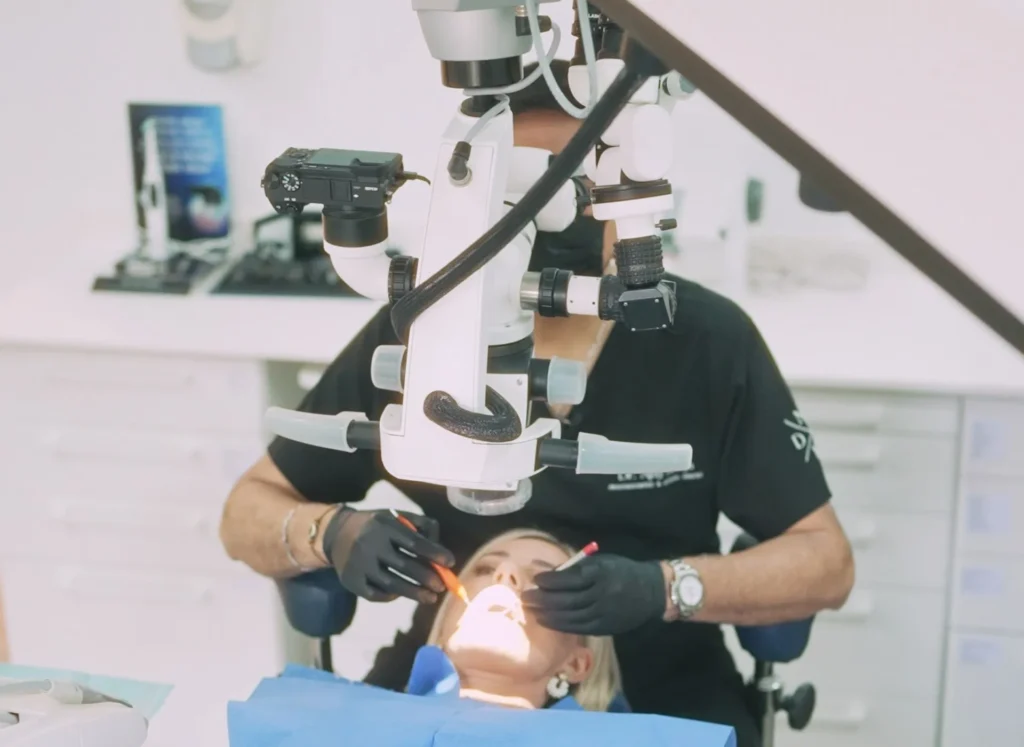
Why Professional Dental Cleanings Are Essential
Even the most dedicated brushing and flossing routine can’t do it all. Despite your best efforts at home, there are areas in your mouth that are simply too hard to reach—tiny pockets beneath the gumline, irregular grooves on the tooth surface, and places where plaque has already hardened into tartar.
That’s where professional cleanings come in. At New York Dental Clinic, we don’t just “clean teeth.” We perform targeted, precise hygiene procedures designed to remove plaque and tartar, assess early signs of gum disease, and help you prevent problems before they escalate.
🦷 What Happens During a Professional Cleaning?
A dental cleaning—also called scaling and polishing—is a thorough treatment that removes:
- Plaque: the soft, bacteria-rich film that forms daily
- Tartar: hardened plaque that can no longer be brushed away
- Surface stains: from coffee, tea, tobacco, and food pigments
Using specialized ultrasonic instruments and hand scalers, your hygienist removes buildup from:
- Tooth surfaces
- Between the teeth
- Below the gumline (where disease often begins)
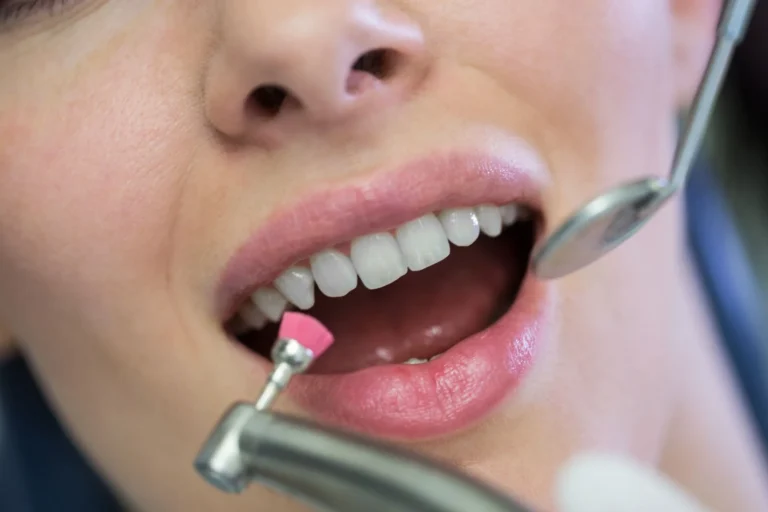
The cleaning ends with professional polishing, which smooths the enamel surface to make it harder for bacteria to stick. We may also use Airflow® technology for a deeper, more comfortable clean.
🧪 Why Cleanings Matter Even Without Cavities
You might think: “I don’t have tooth pain, so why do I need a cleaning?” But dental issues don’t always cause symptoms in the early stages.
Professional cleanings help:
- Prevent gum disease, the leading cause of adult tooth loss
- Catch early decay or wear before it becomes serious
- Protect restorations like fillings, veneers, or crowns from failing
- Maintain fresh breath and a confident smile
Skipping professional cleanings can lead to silent progression of plaque-related diseases—sometimes for months or years before symptoms appear.
📆 How Often Should You Schedule a Cleaning?
For most adults, cleanings are recommended every six months. But depending on your individual oral condition, we may recommend more frequent visits:
- Every 3 to 4 months for patients with gum disease
- Every 3 months for orthodontic patients or those with implants
- Every 4 months for smokers or individuals with dry mouth
These intervals help keep plaque and tartar at bay—and your mouth in stable condition year-round.
🤝 Cleanings Are About Prevention, Not Just Repair
When you visit us for a hygiene session, you’re not just having your teeth cleaned. You’re engaging in:
- Education: personalized tips to improve your daily technique
- Monitoring: checking gum depth, bleeding, and inflammation
- Early detection: spotting issues before they become expensive or painful
We partner with you to build a strategy that keeps your mouth clean, your gums healthy, and your smile bright for years to come.
💬 There’s no substitute for a professional clean. It’s the foundation of lifelong oral wellness—and the best way to keep plaque under control.
📘 Time for your next cleaning? Trust the experienced hands at New York Dental Clinic. Book your hygiene visit today.
Can Diet and Lifestyle Help Reduce Plaque?
Absolutely. While brushing and flossing are your primary tools for plaque removal, your diet and daily habits also play a powerful role in either fueling plaque formation—or helping to reduce it. The choices you make every day, from what you eat to how often you snack, can significantly influence how much plaque builds up and how aggressively it behaves.
At New York Dental Clinic, we take a holistic view of oral health. That means we don’t just clean teeth—we help our patients understand how their nutrition, habits, and lifestyle affect their gums and enamel, often in ways they don’t expect.
🍭 The Foods That Fuel Plaque Formation
Certain types of food create the perfect environment for plaque-causing bacteria to thrive, especially when consumed frequently or without proper oral hygiene afterward. These include:
- Sugary foods: candies, desserts, fruit juices
- Refined carbohydrates: white bread, chips, crackers
- Sticky snacks: dried fruit, caramel, granola bars
- Sugary beverages: soda, sweetened coffee, sports drinks
These foods provide simple sugars that oral bacteria quickly ferment. The byproduct? Acid—strong enough to weaken enamel and inflame gums. Even natural sugars (like honey or fruit) can contribute when consumed often or left on the teeth too long.
🧀 The Foods That Help Defend Against Plaque
Just as some foods contribute to plaque, others help reduce its impact by neutralizing acids, stimulating saliva, or providing essential minerals. These include:
- Fibrous vegetables: carrots, celery, broccoli — they naturally “scrub” the teeth and stimulate saliva
- Dairy products: cheese, yogurt, milk — high in calcium and casein, which strengthen enamel
- Whole grains: contain less sugar and more fiber than refined grains
- Green tea: contains polyphenols that may slow bacterial growth
- Nuts and seeds: rich in phosphorus and healthy fats that support tissue repair
In general, a balanced diet with less sugar and more whole foods helps reduce the severity and speed of plaque formation.
💧 Hydration Matters
Drinking plenty of water helps:
- Wash away food particles between meals
- Keep saliva levels high, which is essential to neutralize acids
- Reduce dry mouth, a major risk factor for plaque buildup
Saliva is your body’s natural defense against plaque, and staying hydrated ensures it works efficiently.
🚬 Habits That Worsen Plaque Buildup
Certain lifestyle choices increase your vulnerability to plaque and gum disease—even if you brush and floss regularly:
- Smoking and tobacco use: reduces blood flow to the gums, alters your oral microbiome, and promotes tartar buildup
- Frequent snacking: especially on sugary or starchy foods, gives bacteria constant fuel
- Neglecting bedtime hygiene: plaque accumulates fastest overnight when saliva flow slows down
- Mouth breathing: dries out tissues and reduces natural cleansing mechanisms
Improving these habits not only supports oral health, but often leads to better breath, brighter teeth, and stronger immunity.
💬 What you eat, how often you eat, and how you care for your body all impact how easily plaque takes hold. Oral health begins long before you pick up a toothbrush.
📘 Want to know how your diet may be affecting your gums and teeth? Schedule a consultation at New York Dental Clinic—we’ll help you personalize your prevention plan. Book now.
Conclusion: How to Get Rid of Plaque for Good
Plaque is silent, persistent, and surprisingly aggressive—but it’s also manageable. The secret to keeping it under control lies not in occasional efforts or trendy home remedies, but in simple, consistent, daily actions. When you understand what plaque is and how it behaves, you’re better equipped to stop it before it turns into a more serious issue like tartar, gum disease, or tooth loss.
To recap, if you want to truly get rid of plaque and protect your oral health:
- Brush twice daily using the right technique and fluoride toothpaste
- Floss once a day to clean between the teeth and below the gumline
- Use mouthwash and rinse regularly, especially after meals
- Eat mindfully, avoiding frequent sugar and refined starches
- Stay hydrated to support saliva production
- Avoid smoking, mouth breathing, and neglecting bedtime routines
- Visit your dentist regularly for cleanings, assessments, and coaching on proper technique
At New York Dental Clinic, we believe that responsible dentistry starts with education. When patients are empowered to care for their teeth properly, they not only avoid future problems—they gain confidence, peace of mind, and a healthier lifestyle overall.
If you’re unsure whether plaque is affecting your oral health, or if you haven’t had a professional cleaning in the last 6 months, now is the time to act. A preventive visit today can save you from invasive treatments tomorrow.
📆 Book Your Hygiene Assessment Today
Whether it’s your first visit or your next routine check-up, our team is ready to guide you toward a plaque-free, healthy smile.
📍 New York Dental Clinic
VILLA 329, BEACH ROAD, JUMEIRA 2, DUBAI, UAE
📞 +971 43447041
📱 +971 585909496
💬 WhatsApp: +971 585909496
📧 info@nydcdubai.com
🌐 www.nydcdubai.com
💬 A confident smile isn’t created by chance—it’s the result of knowledge, design, and care. If you’re ready to discover the potential of our Dubai clinic, we’re here to help you make that decision with clarity and confidence.
📘 Book your first consultation with our team of specialists at New York Dental Clinic.